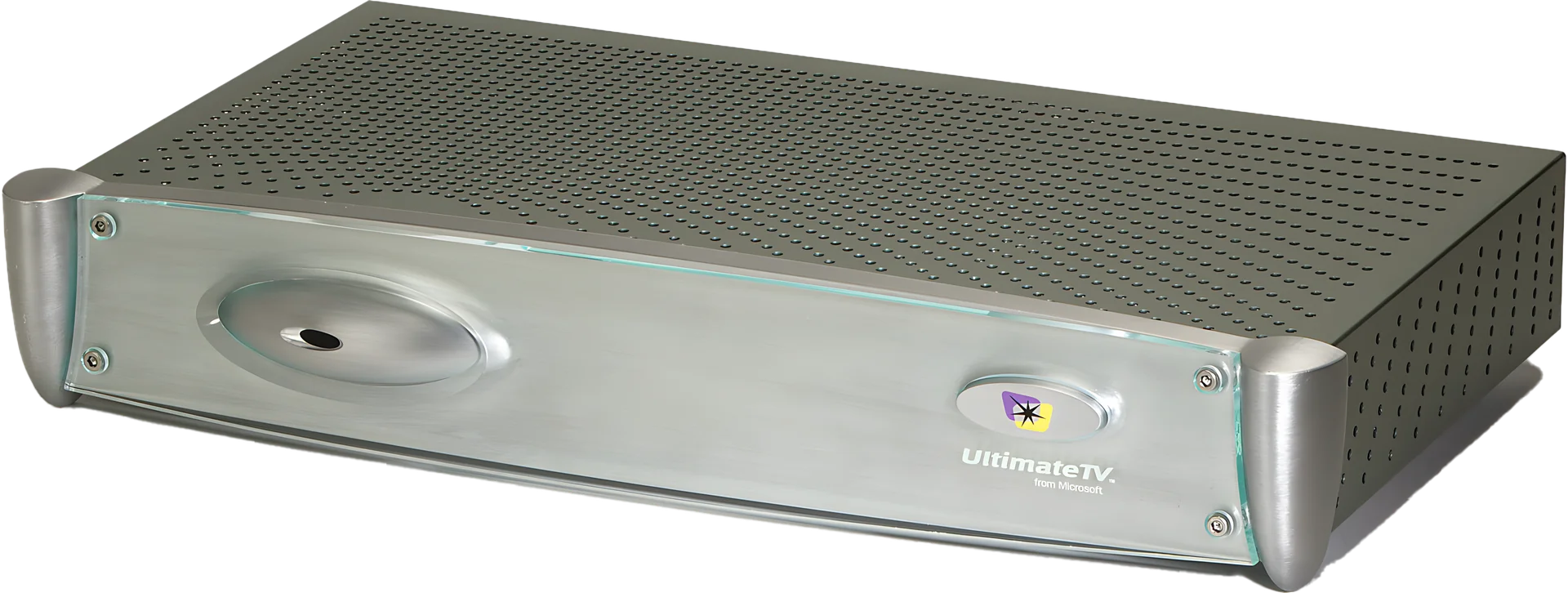
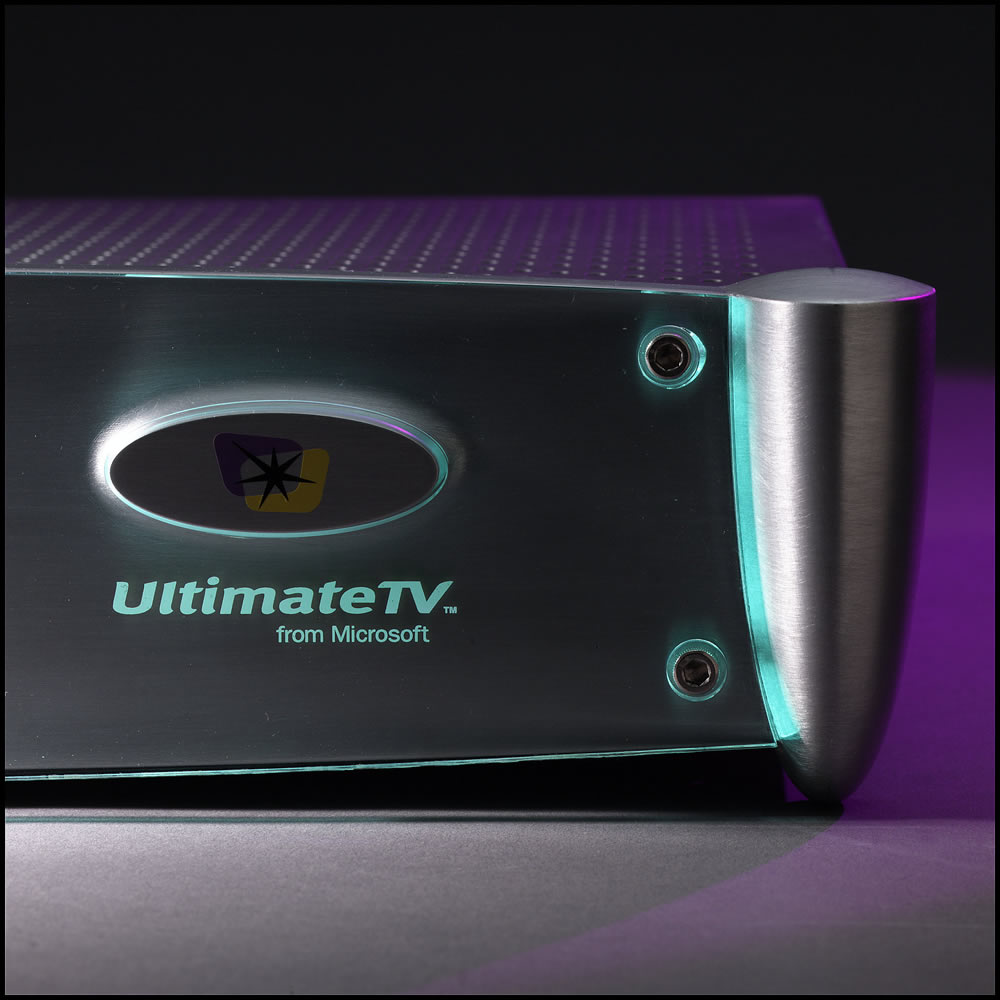
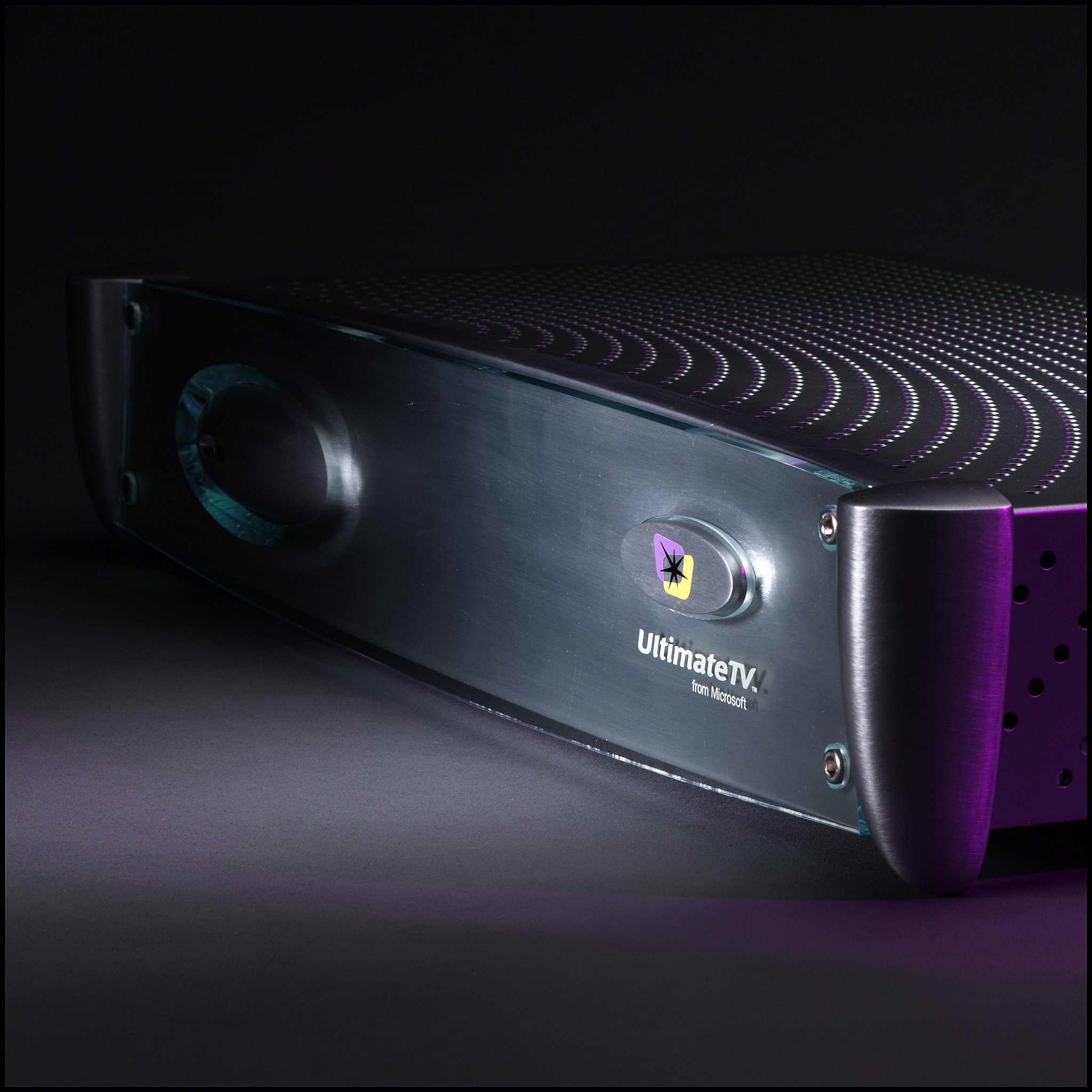
.png)
.png)
.png)
WebTV Galaxy Forensic Report
I. Project Summary
- Role: Principal Mechanical Architect / Proprietor (Mechanistic), operating as the project’s entire external mechanical engineering department.
- Mandate: Architect the physical form of the “Galaxy” Home Network Gateway — desktop-class computing (an AMD K7 “Thunderbird,” a triple satellite-tuner array, dual hard drives) inside a consumer set-top-box envelope.
- Core Achievement: Dissipated a 150 W thermal load at 45°C ambient inside a sealed EMI enclosure, cleared every mechanical yield blocker — and handed Microsoft a thermal live-fire education that fed directly into the Xbox program when the strategy pivoted.
II. The Anatomy of Failure
1. Thermal Crisis: The 150 W Wall
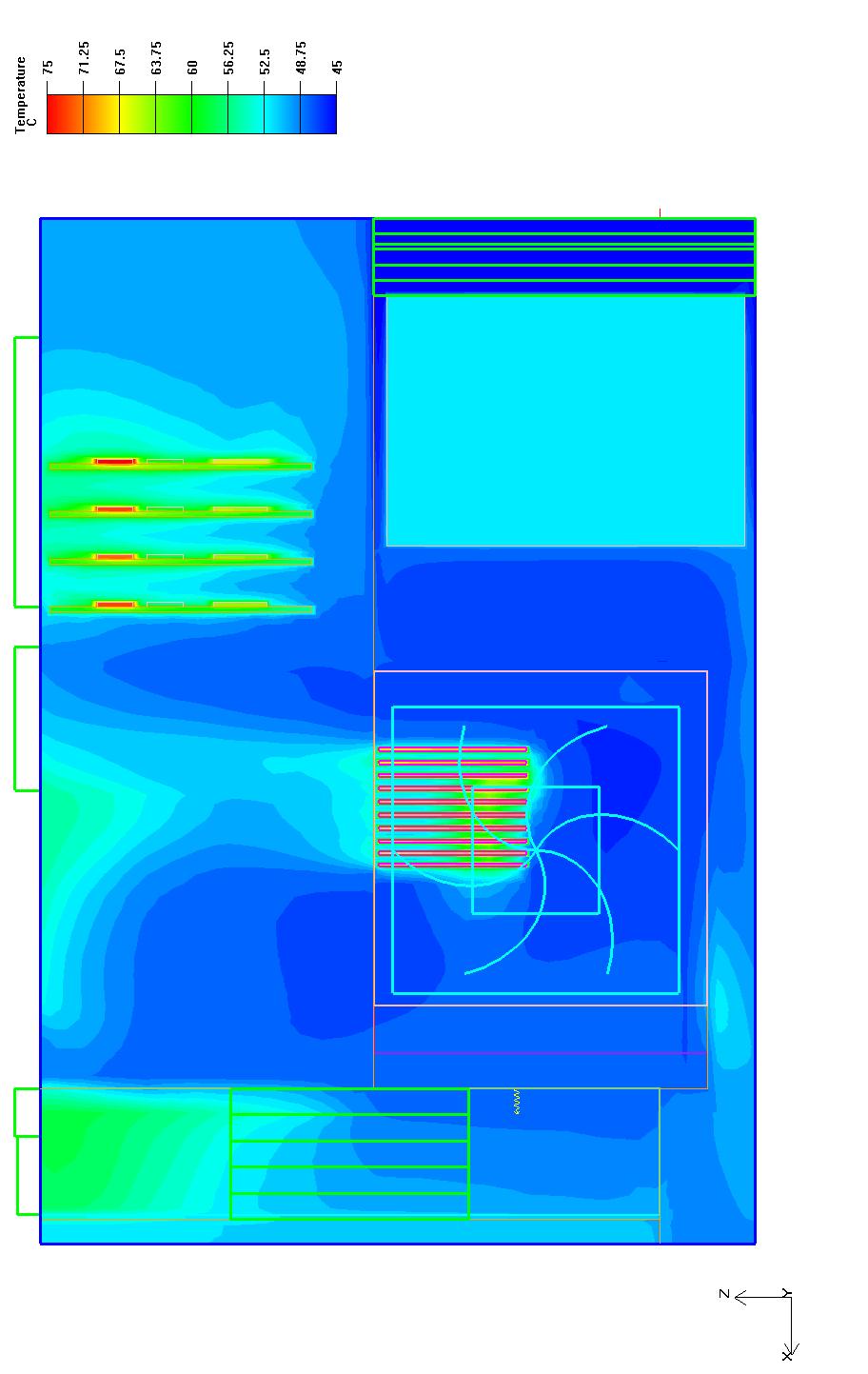
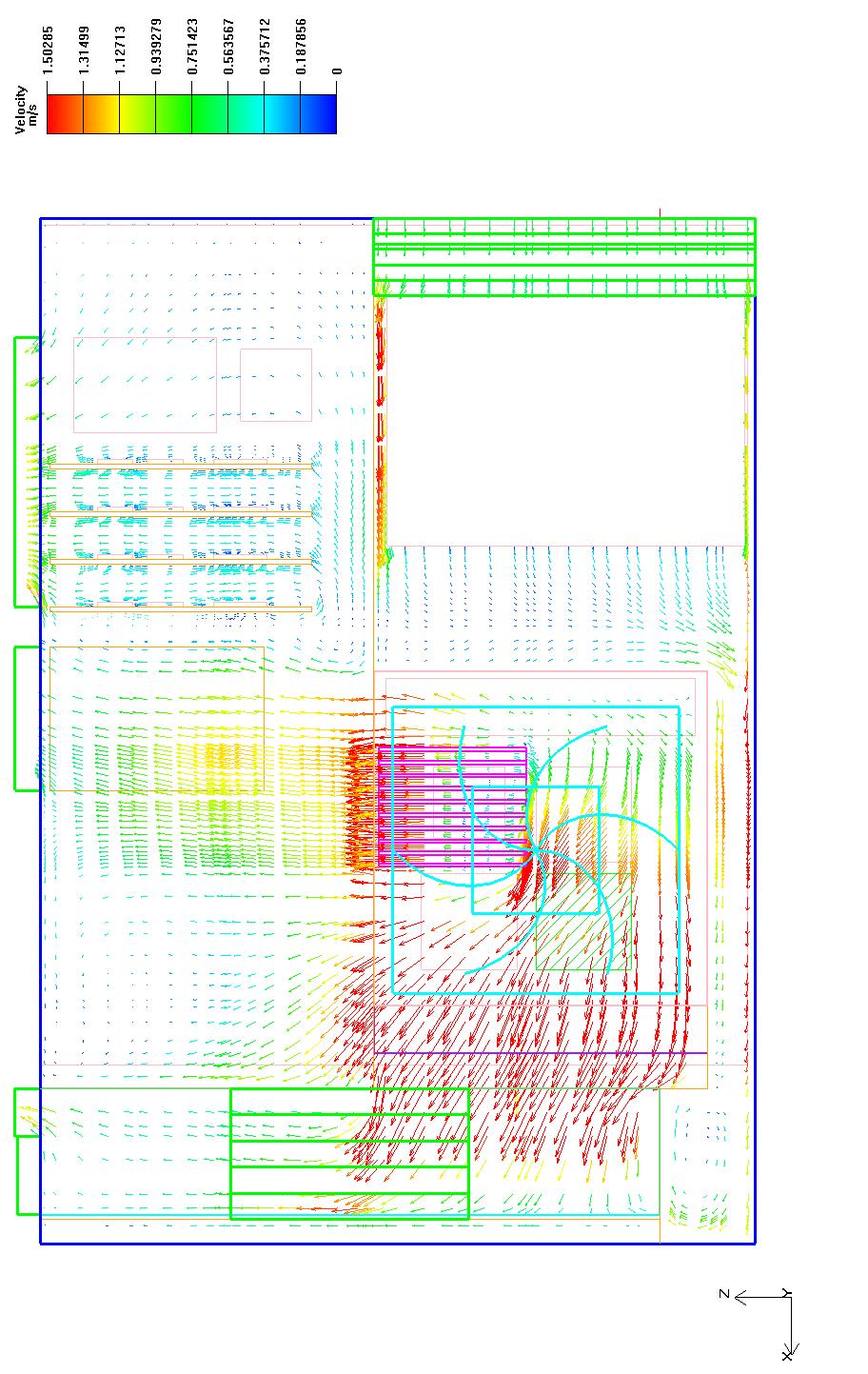
- Trigger: The architecture aggregated a 150 W total power load in a sealed EMI cage — a density legacy “Mercury” chassis could not survive. CFD simulation (Applied Thermal Technologies) showed CPU junction temperatures spiking to 84.0°C and a stagnant “dead zone” cooking the Smart Card reader at 55.0°C — the absolute limit before the user’s media warps.
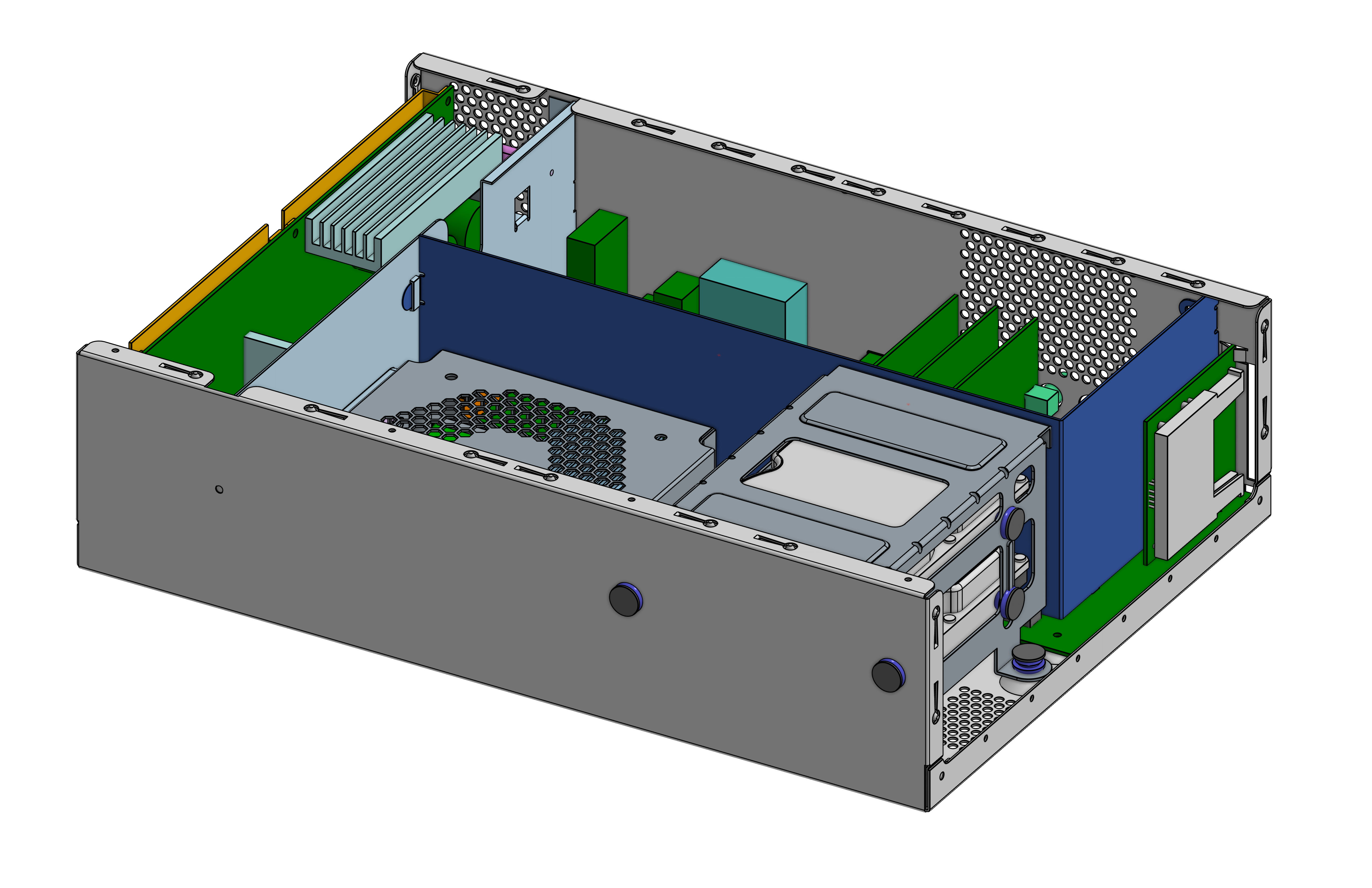
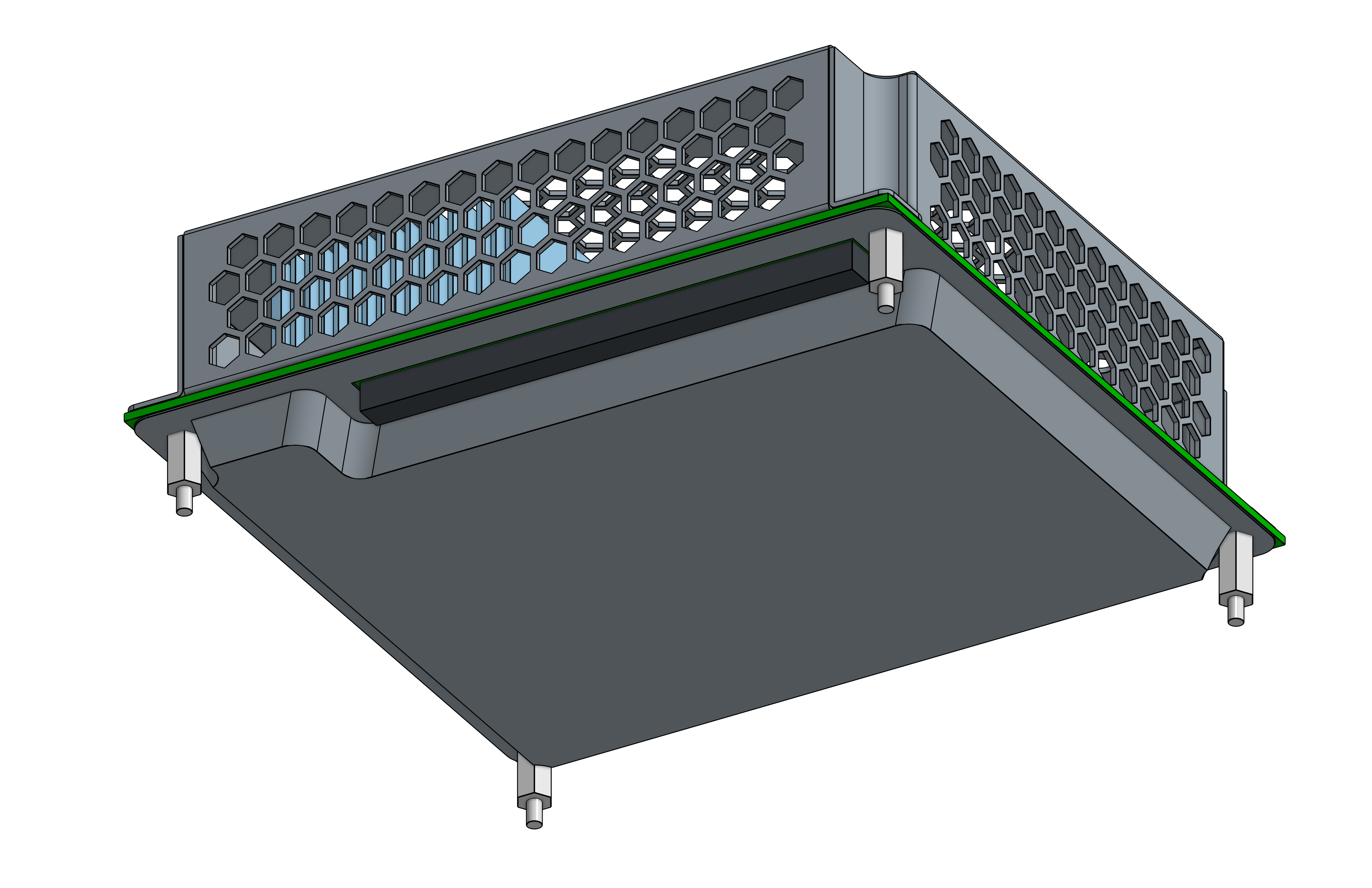
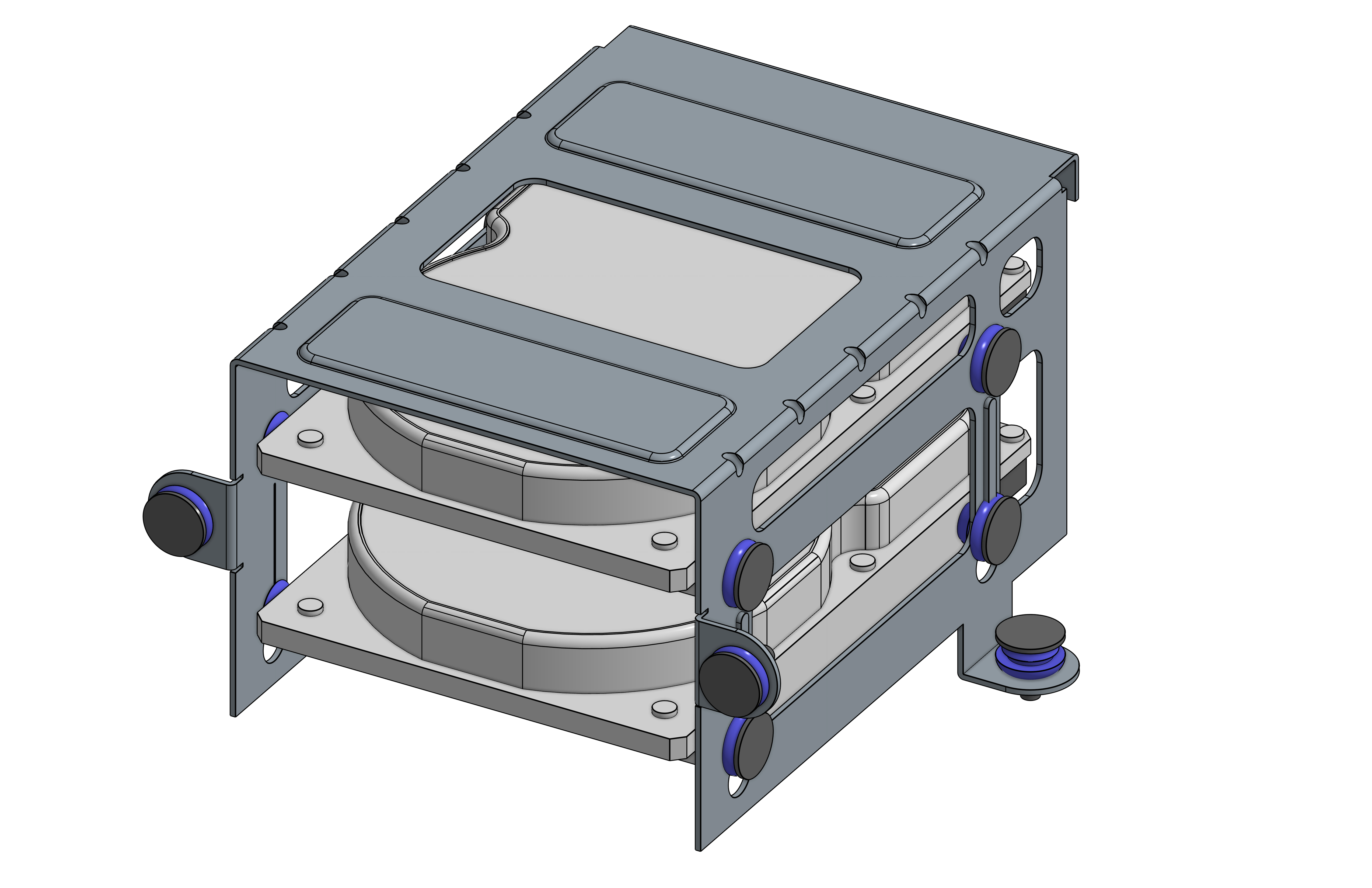
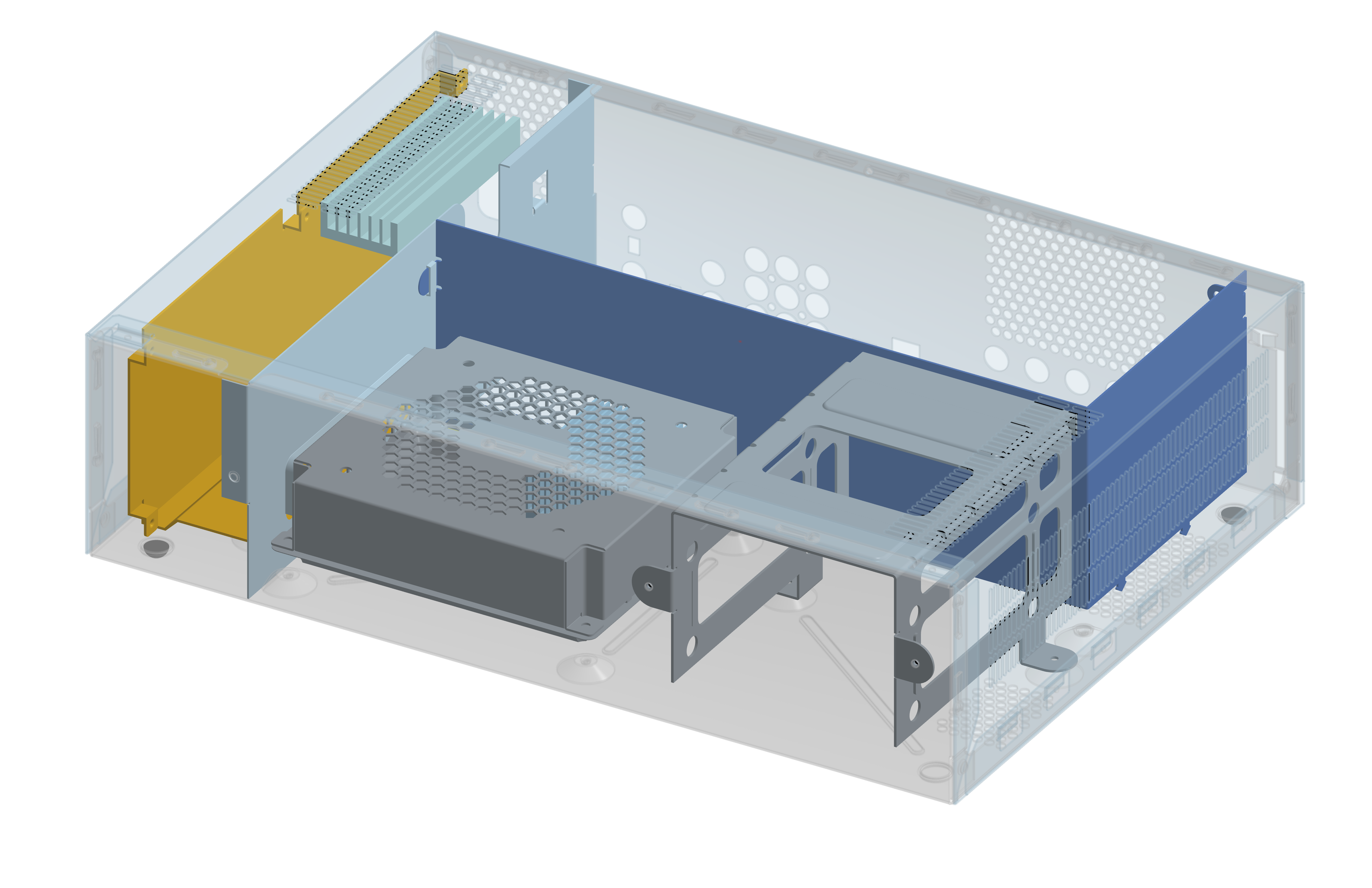
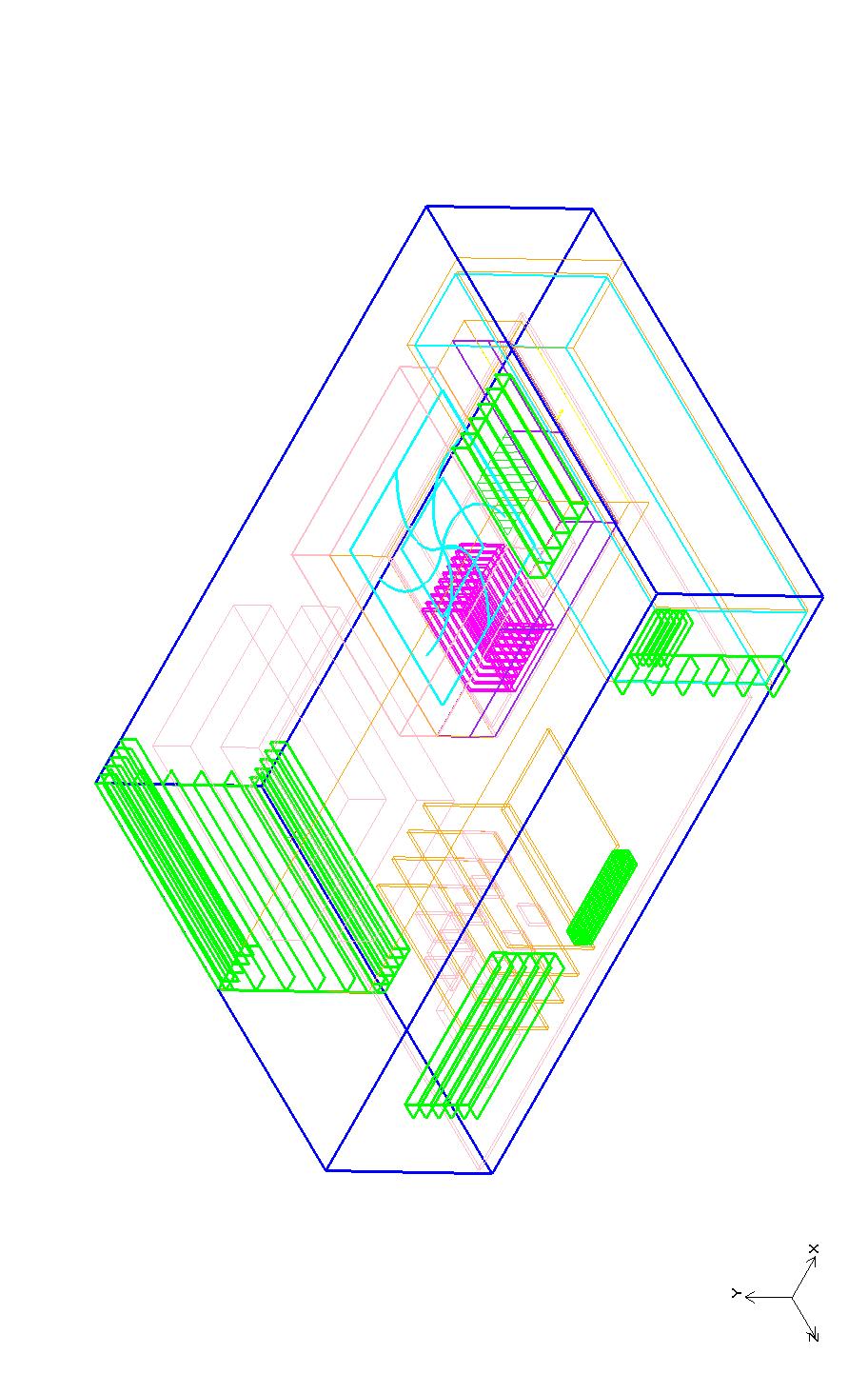
- Intervention: Expanded the chassis depth to 300 mm purely to create a directed airflow tunnel: intake washing the dual hard drives first, a drive bracket doubling as a structural air partition to kill recirculation, a 50×60×30 mm extruded heatsink on the K7, and a Delta fan at 2700 RPM driving 28.3 CFM. The Smart Card reader migrated upstream to the inlet. Round vents gave way to a 12.5 mm hexagonal pattern — maximum open area within the Faraday cage’s wavelength threshold.
- Result: CPU stabilized at 84.0°C, hard drives at 52.8°C — survival, but brinkmanship: the budget Fireball drives ran at 96% of their 55°C rating, and the cooling cost 37 dB of acoustic floor in a living-room product. The physics held; the silence didn’t.
2. Yield Crisis: The Warping Base
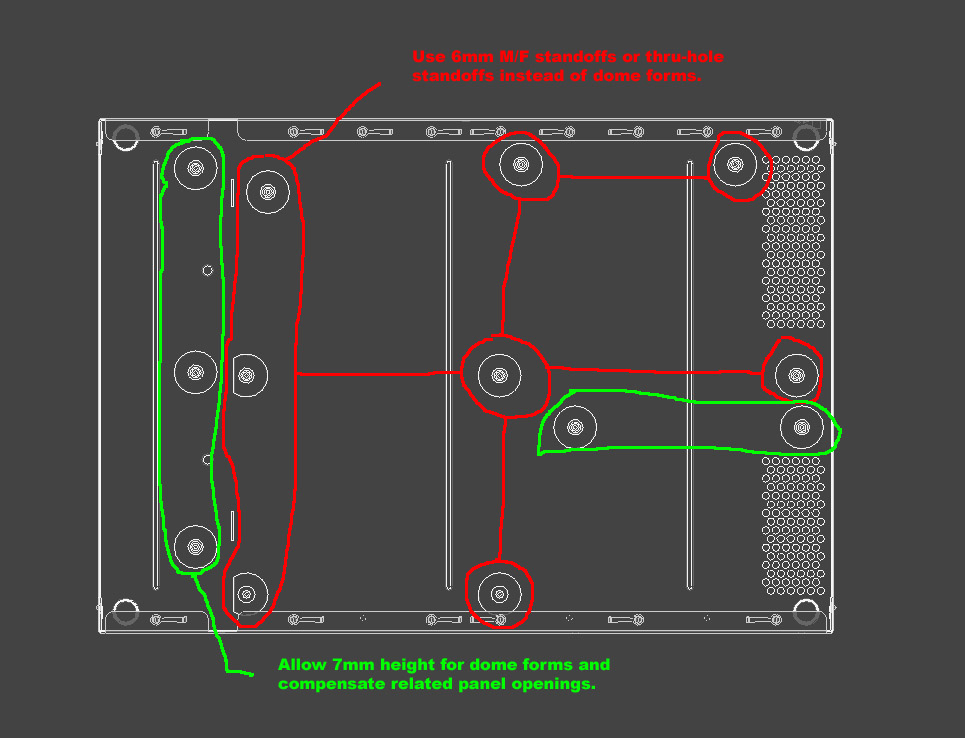
- Trigger: The 0.91 mm cold-rolled steel base pan specified dense “drawn standoffs” for motherboard mounting. The stamping stress accumulated instead of dissipating, and the bases warped and twisted on ejection — fatal for automated PCB assembly. Fabricator D&D Manufacturing rejected the design outright.
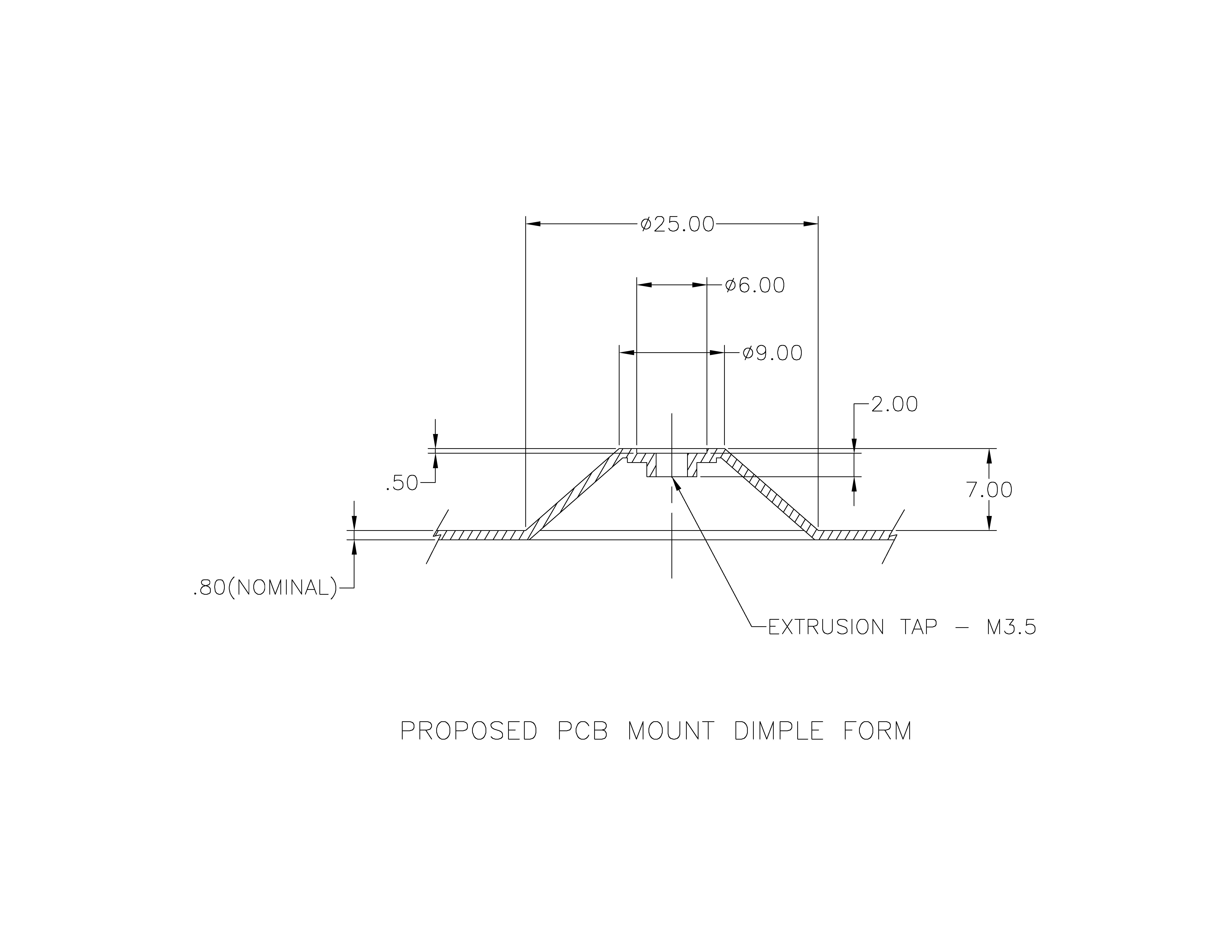
- Intervention: Adopted the vendor’s “Hook 29” lanced-form detail in place of drawn standoffs — cutting and bridging the steel breaks the sheet’s surface tension and relieves the stress — and added embossed stiffening ribs to restore rigidity under the 150 W stack’s component mass.
- Result: Flat bases at production stamping rates, traded against small lanced openings in the chassis floor — an accepted exposure documented with the vendor.
3. Assembly Crisis: The Impossible Puck
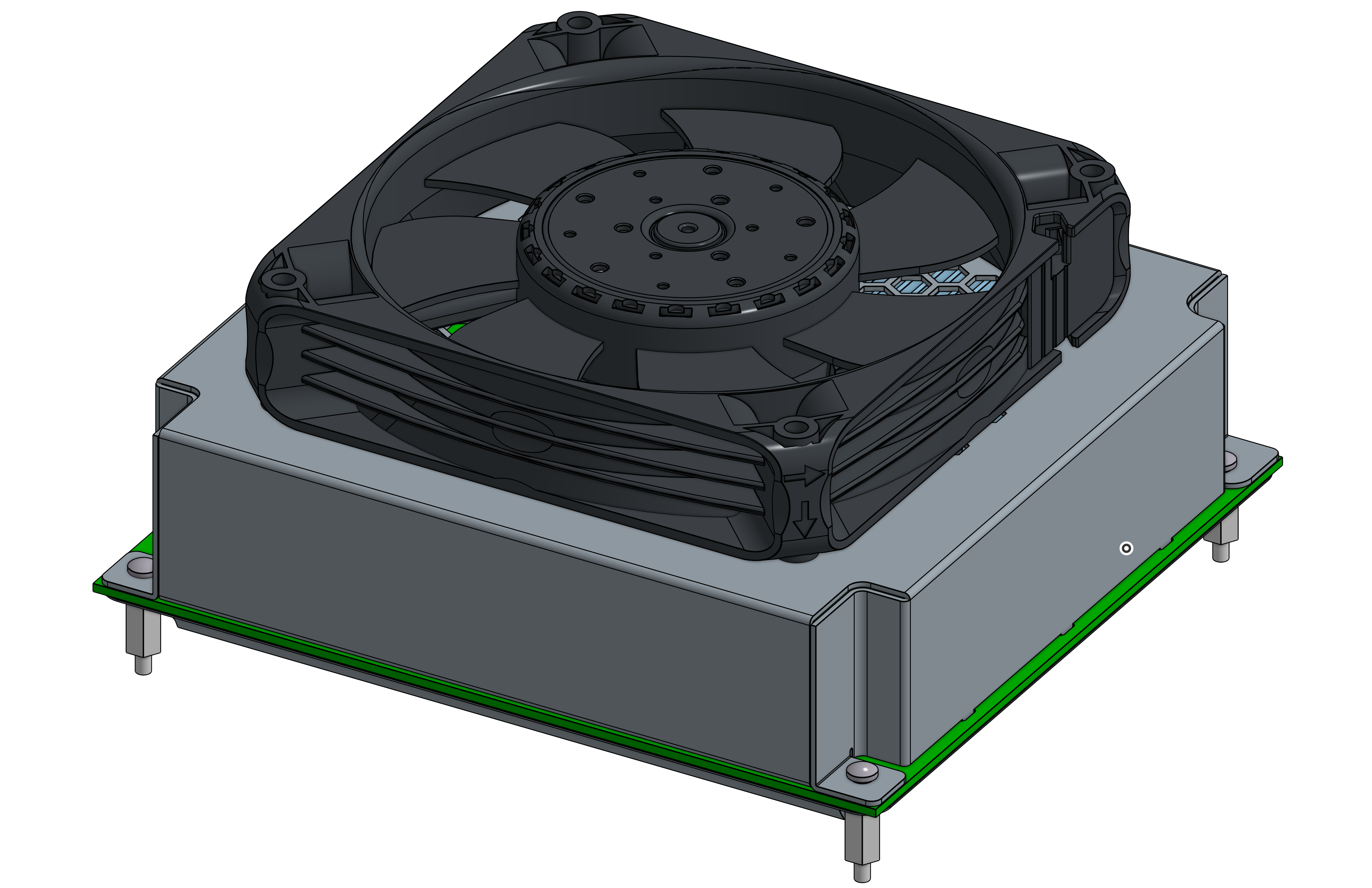
- Trigger: The CPU subsystem was conceived as a sealed, pre-assembled “puck” that dropped into the chassis as one unit. During the DEV build it deadlocked: fastener locations collided with the fixed air partition, and the module physically could not be installed.
- Intervention: Decomposed the puck into a clam-shell built in-situ — bottom shield first, then PCB and the heatsink stack, then the heavy-gauge top cover locking the assembly. Replaced the original grounding tabs with continuous EMI flanges for true 360-degree contact with the board’s grounding ring.
- Result: A buildable, serviceable module with verified Faraday containment — recovered without moving the air partition the thermal solution depended on.
4. Governance Crisis: Fourteen Ways to Lose a File
- Trigger: The distributed team (WebTV, Mechanistic, the fabricator, the ID firm) was exchanging engineering data “14 different ways,” leaving the database unmanageable — while the sheet-metal vendor, E-M Solutions, hit a company-wide shutdown that threatened the prototype schedule.
- Intervention: Enforced a centralized FTP hub as the single source of truth for the Pro/E master assembly, ran a weekly “Mechanical Design Hitlist” that tracked and killed blocking defects by name, and coordinated 4-day quick-turn fabrication cycles directly with the vendor’s NPI manager to bypass the paralysis.
- Result: 30+ gating defects resolved per prototype cycle, five-plus functional prototype releases across the program family, schedule preserved through a vendor collapse.
5. The Termination: Strategy, Not Physics
- Trigger: The engineering hurdles were cleared — and then Microsoft chose the console. By early 2002 the verdict was on paper: the gaming platform, not the cable-TV box, would carry the living-room strategy, and the company would not subsidize gateway hardware the way cable operators did.
- Intervention: On January 24, 2002 the UltimateTV mechanical effort consolidated into Microsoft’s eHome group — the Xbox hardware division. A brief “Mercury LC / MiniMerc” cost-down zombie phase was abandoned. By March 18, 2002 the Mechanistic invoicing had switched explicitly to “xbox redesign work”: EMI liner simplification, a bridge-type DVD/HDD carrier, stamping-yield cost reductions on the top cover.
- Result: Galaxy never shipped — but its 150 W lessons (directed tunnels, dense-chassis EMI venting, storage thermal margins) were immediately weaponized inside the same building, on the console that did.
III. Governance & Rhythm
- The Pulse: A solo-consultant “mercenary rhythm” — weekly hitlists, Thursday design reviews, daily master-assembly synchronization against board-layout changes, at a $14,200/month engineering burn rate spanning Galaxy, Mercury, and Xbox deliverables.
- The Artifacts: The Galaxy Mechanical Design Hitlist (a living punch list: “SPDIF connector location wrong,” “chassis ground contact,” “thermal partition”); the CFD simulation reports validating the 150 W strategy; the Pro/E master assembly (GALAXY.ASM) under FTP version control; the mechanical BOM co-developed with WebTV release engineering into the Agile system.
IV. Quantified Impact
- Dissipated a 150 W total thermal load at 45°C ambient inside a sealed EMI enclosure.
- Held CPU junction temperature to 84.0°C and hard-drive case temperature to 52.8°C via a 28.3 CFM directed airflow tunnel.
- Rescued base-pan stamping yield by replacing drawn standoffs with stress-relieving Hook 29 forms plus structural ribs.
- Resolved 30+ critical gating defects per prototype cycle through hitlist engineering audits.
- Coordinated 4-day quick-turn fabrication through a vendor’s company-wide shutdown.
- Managed a $14,200/month engineering burn rate as a solo consultant across three concurrent programs.
- Released mechanical design for five-plus functional prototypes before the strategic termination.
V. Source Trail
The claims above rest on the project’s primary evidence archive — CFD reports, QA redlines, hitlists, and invoices — compiled through the NotebookLM forensic registry:
model-iso.jpg/tempxz.jpg/velxz.jpg— CFD thermal simulation maps of the 150 W load distribution.Galaxy Mechanical Design Hitlist 7-27.doc— the defect-tracking governance artifact.Base_Proto_Deviations.jpg— QA redlines of the manufacturing defects, including the warping base.cpu_06_26_01.zip— the Pro/E master assembly of the CPU puck.- Maxtor/Quantum Fireball lct20 datasheet — the 55°C drive rating behind the 2.2°C thermal margin.
xbo_wni_001.xls— the March 18, 2002 invoice documenting the pivot to Xbox redesign work.